
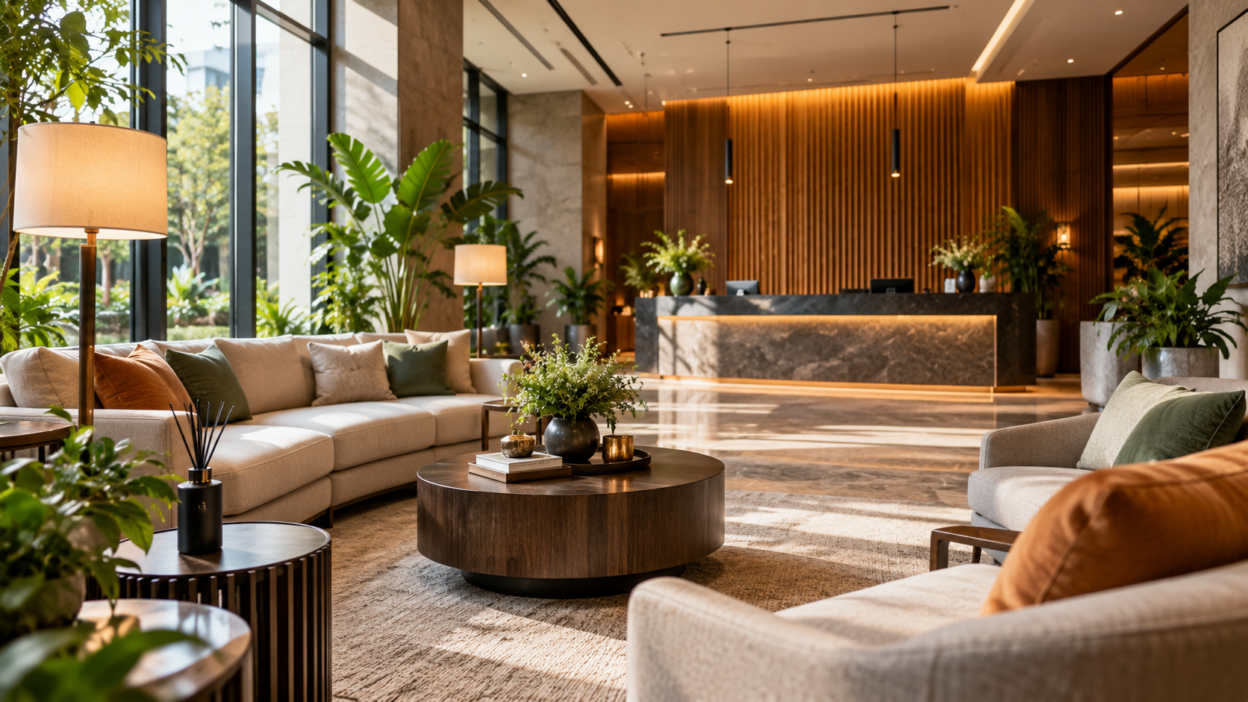
In a world where businesses invest heavily in digital experiences, the importance of physical environments is often overlooked. Yet the moment someone walks into a hotel, retail store, restaurant, or corporate office, their surroundings begin shaping their perception of the business. Lighting, temperature, sound, interior design, and even subtle fragrances contribute to how people experience a space. For some organizations, a carefully selected Commercial Diffuser can also be one part of creating a consistent atmosphere.
A thoughtfully designed environment does more than look attractive. It can influence comfort, encourage interaction, support brand recognition, and create lasting impressions. As customer expectations continue to evolve, businesses are beginning to recognize that the atmosphere of a physical location is an important part of the overall customer experience.
Why Atmosphere Matters in Modern Business
People rarely evaluate a physical space based on a single feature. Instead, they form an overall impression from several environmental elements working together.
Consider the difference between entering a brightly lit office with uncomfortable seating and walking into a thoughtfully arranged workspace with natural light, comfortable furniture, and balanced acoustics. Both locations may offer identical services, but the experience can feel remarkably different.
Environmental psychology helps explain this relationship. Research into physical surroundings suggests that factors such as lighting, noise, spatial layout, and visual complexity can influence emotional responses and behavior.
For businesses, this means interior design is not simply a decorative decision. It is part of how an organization communicates professionalism, accessibility, and attention to detail.
The Connection Between Physical Spaces and Customer Perception
First impressions often develop before a customer speaks with an employee or interacts with a product.
A clean, organized reception area can communicate reliability. A comfortable waiting room may make an unavoidable delay feel less stressful. Similarly, a crowded retail environment with confusing navigation can create frustration, regardless of the quality of the merchandise.
These reactions are particularly important in industries where customers spend significant time on-site.
Hotels depend on comfort and hospitality. Restaurants use lighting, seating arrangements, and background music to establish different dining experiences. Healthcare facilities must balance functionality, hygiene, privacy, and patient comfort.
The goal is not to create the most elaborate environment possible. It is to develop surroundings that match the expectations and practical needs of the people using them.
How Sensory Design Shapes the Experience
Human perception involves multiple senses working simultaneously. While visual design receives considerable attention, sound, scent, texture, and temperature also contribute to the atmosphere of a commercial space.
A restaurant may use softer lighting and controlled acoustics to encourage relaxed conversation. A fitness center might prioritize bright illumination, effective ventilation, and energetic music. A luxury hotel may combine carefully selected materials with understated fragrances to establish a consistent identity.
Scent is especially interesting because of its relationship with memory and emotion. The olfactory system has close neurological connections with brain regions involved in emotional processing and memory formation.
This helps explain why familiar smells can bring back vivid memories of particular places or experiences.
Some businesses incorporate fragrance into their environmental design using a Commercial Diffuser, which distributes a selected scent throughout a designated area. A Commercial Diffuser may be considered as part of a broader sensory-design plan, but effective scent management requires more than choosing a pleasant fragrance. Ventilation, room size, fragrance concentration, maintenance, and individual sensitivities all influence whether the result is appropriate.
A fragrance that feels welcoming to one visitor may be distracting or uncomfortable to another. Businesses should therefore prioritize subtlety, indoor air quality, and accessibility rather than assuming that stronger scents create better experiences.
Commercial Diffuser Planning: The Role of Atmosphere in Brand Identity
Brand identity is commonly associated with logos, colors, advertising, and messaging. However, customers also encounter brands through physical environments.
A technology company might use open layouts, contemporary furniture, and flexible meeting areas to communicate collaboration. A financial services office may prefer quieter surroundings, private consultation rooms, and understated design to reinforce confidentiality and professionalism.
Neither approach is universally better. The effectiveness of a space depends on whether its design supports the organization’s purpose and audience.
Consistency also matters. When customers visit different branches of the same business, familiar design elements can make the experience easier to recognize.
This does not require every location to look identical. Instead, businesses can establish common environmental principles while adapting to local architecture, cultural preferences, and practical requirements.
A consistent brand experience also extends beyond the physical environment. The way a business introduces itself online should reflect the same personality customers encounter in person.
For example, a bakery that creates a welcoming atmosphere through its interior design can reinforce that identity through clear messaging and social media. Our guide to Instagram bios for home bakeries shows how small businesses can communicate their identity and make a positive first impression before customers even visit.
Why Employee Experience Deserves Equal Attention
The business value of physical environments extends beyond customer-facing areas.
Employees spend considerable portions of their working lives in offices, stores, warehouses, and other commercial settings. Poor lighting, excessive noise, uncomfortable temperatures, and inadequate ventilation can make everyday tasks more difficult.
Workplace design should therefore begin with functionality. Access to daylight, ergonomic furniture, appropriate acoustic treatment, and sufficient personal space can contribute to a more comfortable working environment. Different tasks may also require different surroundings.
For example, collaborative projects benefit from accessible meeting spaces, while concentration-intensive work often requires quieter areas with fewer interruptions.
An effective workplace accommodates these differences rather than forcing every employee into the same environment.
Importantly, atmosphere should not be confused with appearance. An aesthetically impressive office that lacks adequate ventilation or comfortable workstations may perform poorly in everyday use.
Technology Is Changing How Commercial Spaces Are Managed
Modern buildings increasingly use technology to monitor and adjust environmental conditions.
Smart lighting systems can respond to occupancy and available daylight. Building management systems can coordinate heating, cooling, and ventilation. Occupancy sensors may help facility managers understand how frequently different spaces are used.
These technologies can support comfort and operational efficiency when properly configured.
However, collecting more environmental data does not automatically produce better results. Businesses must interpret that information carefully and consider the needs of occupants.
A conference room, for example, may require different temperature and ventilation settings depending on occupancy. Similarly, lighting suitable for detailed work may be inappropriate for a presentation.
The most useful systems allow physical environments to respond to real activities rather than relying entirely on fixed settings.
The Financial Value of Thoughtful Environmental Design
Investing in a physical atmosphere involves costs, making it important to distinguish measurable improvements from assumptions.
Lighting upgrades may reduce electricity consumption. Better acoustic design can improve speech privacy and reduce distracting noise. Clearer signage may help visitors find services without requiring staff assistance.
Other benefits, such as brand perception and customer satisfaction, are more difficult to quantify.
Businesses sometimes assume that attractive interiors automatically increase sales or customer loyalty. In reality, outcomes depend on many factors, including pricing, service quality, location, product availability, and customer expectations.
A more reliable approach is to evaluate environmental improvements against specific objectives.
For instance, a retailer could compare customer feedback before and after changes to its store layout. A hotel might assess guest comments about noise, lighting, or room comfort. An office could gather employee feedback on temperature and workspace usability.
This creates a stronger foundation for investment decisions than following design trends without understanding their practical effects.
Sustainability and the Future of Physical Spaces
Environmental responsibility is becoming an important consideration in commercial property management.
Energy-efficient lighting, durable materials, improved insulation, and well-maintained ventilation systems can help reduce resource consumption. Flexible layouts may also extend the useful life of a building by allowing spaces to accommodate changing business needs.
Sustainability, however, requires evaluating the entire lifecycle of design decisions.
Replacing functional furniture solely to achieve a new appearance may create unnecessary waste. Similarly, introducing additional electronic equipment without considering energy use and maintenance can increase operational demands.
The most responsible approach balances occupant comfort, environmental performance, durability, and long-term operating costs.
Conclusion
Digital technology has changed how people discover, evaluate, and interact with businesses, but it has not eliminated the importance of physical experiences.
A welcoming hotel lobby, a comfortable office, an accessible healthcare facility, or a thoughtfully organized retail store can communicate qualities that advertisements alone cannot fully demonstrate. When appropriate for the space and its occupants, a Commercial Diffuser may contribute to that atmosphere as one element of a carefully considered sensory environment.
The most effective commercial environments are not necessarily the most expensive or visually impressive. They are spaces designed around human needs, practical functionality, and a clear understanding of the organization’s purpose.
As businesses continue to compete for attention and trust, the physical atmosphere will remain an important part of how people experience and remember them.

I am Ethan Miles, a digital creator and caption enthusiast who loves turning simple moments into powerful words. I specialize in crafting creative, trendy, and engaging captions that help your posts stand out. At Captionestry, I focus on delivering fresh ideas, relatable expressions, and scroll-stopping content for every mood and moment. I’m passionate about social media culture, photography, and the art of storytelling through short, impactful lines.