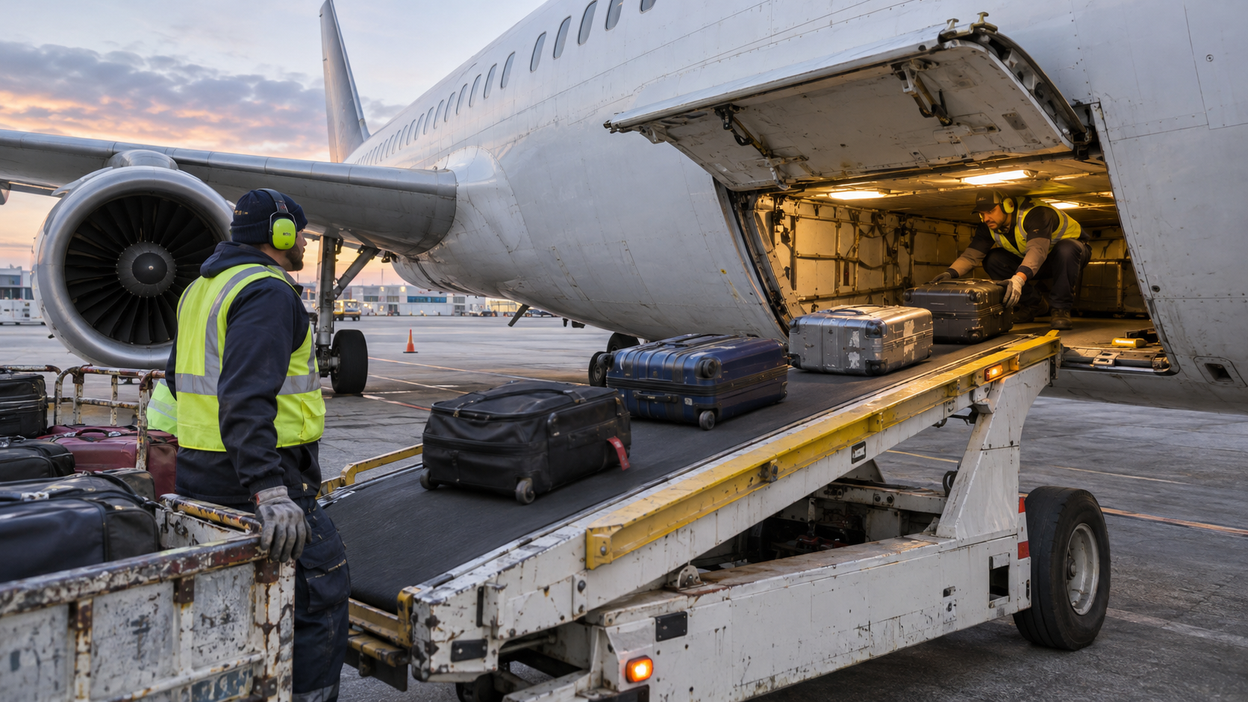
A suitcase reaches the end of a belt loader while another is already coming behind it. Inside the aircraft hold, a ground crew worker kneels, reaches, and turns to stack each bag. The departure clock keeps running. For the people loading luggage and shifting freight, heavy handling happens in tight spaces, often with little room to change position.
An injury sometimes starts with one awkward lift. Other times, discomfort builds across weeks of repeated work. An Oakland, CA workers compensation lawyer for back injuries helps injured crew members understand their rights when that pain leads to medical treatment or missed shifts. Both sudden injuries and gradually developing symptoms deserve attention before pain becomes something a worker simply expects at the start of every shift.
The weight is only part of the strain
A bag resting close to the body presents a different lifting task than the same bag wedged behind other luggage. Reaching across a cart puts the load farther away, increasing strain on the back and shoulders. Uneven loads and one-handed lifting add further stress.
Inside a low cargo compartment, standing upright is often impossible. Workers move luggage while crouching or kneeling, with limited space to turn their feet. Frequent lifting also leaves less recovery time between efforts. Back strains and shoulder injuries belong in the discussion, but so do the working positions that make those injuries more likely.
One bad moment or months of repetition
A sudden pull while moving a heavy bag gives an injury a clear starting point. Repetitive strain is harder to describe. A worker notices wrist discomfort during loading, then starts waking with pain or struggling to grip ordinary objects.
That difference matters when explaining what happened. Someone with gradually developing symptoms should describe the actual work: how often they lift, where they reach, and which movements trigger discomfort. Inventing a single accident to make the story sound clearer creates an inaccurate record.
Fun fact: A bag does not have to gain weight to become harder on the body. Holding it farther away increases the turning force that the back muscles must resist. Position changes the physical demand even when the contents stay exactly the same.
The first report should describe the work
After an injury, seek appropriate medical attention and report it promptly through the workplace reporting process. Emergency treatment takes priority when necessary. Tell the treating clinician that the symptoms arose during work, and explain the task rather than saying only, “My back hurts.”
Useful details include the date, equipment involved, witnesses, and the movement that caused pain. For symptoms that developed gradually, record when they first appeared and how they changed. Keep copies of reports, medical restrictions, and claim correspondence.
Reporting an injury and formally filing a compensation claim are not always the same step. Check the applicable process and deadlines early, especially if someone says there is no need to complete paperwork.
Where workers’ compensation lawyers make a difference
Workers’ compensation generally addresses medical treatment and partial wage replacement for qualifying work injuries. Eligibility, payment rules, and filing deadlines depend on the governing law. A worker should not assume that every missed shift receives full pay.
Workers’ compensation lawyers offer practical help when an insurer disputes the connection between an injury and the job, treatment is delayed, or benefit payments appear incorrect. A conversation with the golden state workers compensation, apc office gives an injured worker a chance to discuss these concerns and ask about the next steps. Lawyers review records, explain deadlines, and represent injured employees in disputes.
For ground crew members with repetitive injuries, a lawyer also helps organize the work history and medical evidence into a clear account. That is particularly useful when there is no single accident report. Good representation gives the worker someone focused on the claim while medical appointments and lost earnings compete for attention.
Returning to the ramp needs a specific plan
“Light duty” says little about what a shift actually involves. A revised assignment still requires scrutiny if it includes pulling loaded carts or repeatedly reaching into baggage stacks. Written medical restrictions should be compared with the tasks assigned, and any mismatch raised promptly.
Prevention belongs in that same conversation. Properly positioned equipment, lifting aids, and assistance with oversized items reduce unnecessary handling demands. Training has more value when workers have the equipment and time to follow it.
Before the next shift, the practical question is specific: which tasks fit the worker’s current restrictions? Settling that before loading begins leaves less room for an injured employee to discover the answer while holding a heavy bag.

I am Ethan Miles, a digital creator and caption enthusiast who loves turning simple moments into powerful words. I specialize in crafting creative, trendy, and engaging captions that help your posts stand out. At Captionestry, I focus on delivering fresh ideas, relatable expressions, and scroll-stopping content for every mood and moment. I’m passionate about social media culture, photography, and the art of storytelling through short, impactful lines.