
The Psychology of Tangible Branding in a Digital World
In an era where the vast majority of business communication occurs behind a glowing screen, the physical act of receiving a printed document has gained significant psychological weight.
When a client or partner holds a piece of high quality stationery, they are engaging multiple senses that digital media simply cannot reach. This tactile experience creates a neural connection that is far more memorable than a standard email or a generic social media post.
The weight of the paper, the texture of the grain, and the visual crispness of the ink all contribute to a subconscious perception of stability and reliability. When a company invests in its physical presentation, it signals to the market that it is established, detail oriented, and committed to quality.
This is the foundation of professionalism in print. By choosing to communicate through physical media, a brand demonstrates that the recipient is worth the extra effort and expense, immediately elevating the status of the relationship.
The Impact of Haptic Memory
Haptic memory refers to the way we remember information through the sense of touch. Research suggests that physical materials leave a deeper footprint in the brain. When a brand utilizes custom stationery, it leverages this biological reality to ensure its message lingers longer.
A business card tucked into a wallet or a letterhead sitting on a desk serves as a constant, physical reminder of a brand presence, providing a level of persistence that digital notifications lack.
Defining the Core Components of a Professional Stationery Suite
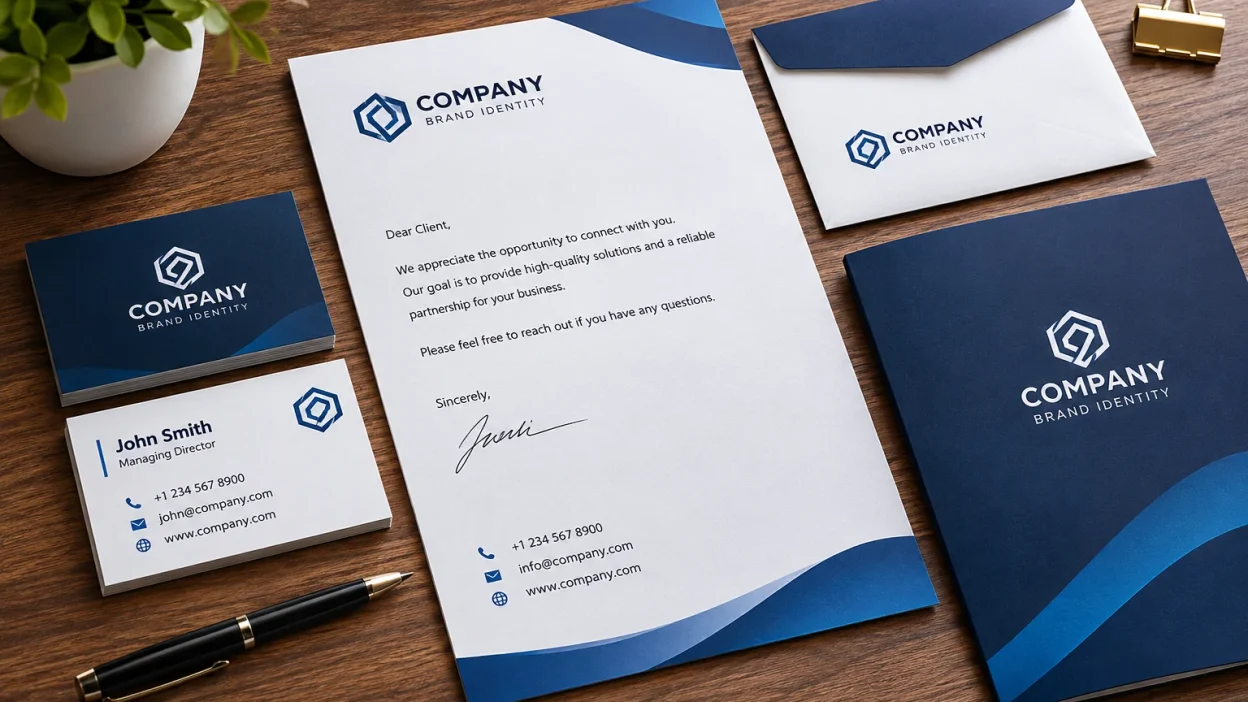
A comprehensive stationery suite is more than just a box of business cards. It is a coordinated ecosystem of assets that work together to tell a cohesive brand story. To achieve a truly professional look, businesses must consider how each individual piece contributes to the overall narrative.
1. Business Cards: These are often the first physical touchpoint and should serve as a distilled version of the brand identity.
2. Letterheads: Essential for formal correspondence, contracts, and proposals, providing an official framework for communication.
3. Envelopes: Often overlooked, custom envelopes ensure the brand experience begins the moment the mail is retrieved.
4. Compliment Slips: These provide a space for short, informal notes that maintain a high level of professional branding.
5. Presentation Folders: Used to house multiple documents, these create a sense of organized authority during meetings or pitches.
6. Invoices and Packing Slips: Even transactional documents should carry the brand identity to ensure a seamless end to end customer journey.
When sourcing these items, working with an experienced provider like Totally Branded ensures that the technical specifications of each piece align perfectly across different printing processes. Consistency in production is what separates a DIY effort from a truly professional suite.
How Custom Stationery Enhances Your Brand Identity Through Consistency
Consistency is the cornerstone of brand trust. If a company uses one logo on its website, a slightly different version on its business cards, and a third variation on its invoices, it creates a sense of fragmentation. This lack of cohesion can lead to a subtle erosion of trust, as it suggests a lack of attention to detail or an internal lack of organization.
Custom stationery acts as the physical anchor for a brand identity. By meticulously matching colors, fonts, and layouts across all printed materials, a business creates a unified front. This visual harmony makes the brand more recognizable and professional. When every touchpoint feels like it belongs to the same family, the brand appears larger, more sophisticated, and more reliable.
Establishing Visual Hierarchy
Professional stationery design utilizes visual hierarchy to guide the reader through the information. By using consistent placement for logos, contact details, and body text, a brand makes it easier for the recipient to digest the message. This clarity is a form of respect for the reader’s time and attention, further reinforcing the professional image.
The Strategic Value of Premium Paper Stocks and Finishes
The choice of substrate is just as important as the design itself. The physical properties of the paper communicate volumes about a brand’s positioning. A heavy, textured cardstock suggests luxury and heritage, while a smooth, bright white paper may communicate modernism and efficiency.
1. Gsm Weight: A higher grams per square meter generally indicates a more premium product. Standard office paper is usually eighty gsm, while professional letterheads often range from one hundred to one hundred twenty gsm.
2. Texture and Finish: Options like linen, laid, or hammer effect add a sophisticated tactile dimension.
3. Specialty Coatings: Matte, gloss, or soft touch lamination can protect the print while adding a specific aesthetic feel.
4. Embellishments: Techniques such as foil stamping, embossing, or spot UV can highlight key brand elements and create a high end look.
By integrating these elements, a company shows it understands the nuances of quality. Utilizing the expertise found at Totally Branded allows businesses to navigate these technical choices to find the perfect match for their specific brand personality.
Psychology of Color and Typography in Printed Assets
Color reproduction in print differs significantly from digital displays. While a screen uses light to create color, print uses ink, which can result in variations if not managed correctly. Professional stationery requires precise color matching, often using the Pantone Matching System to ensure that a brand’s signature blue or red looks identical on every piece of paper.
Typography also plays a critical role. The fonts chosen for stationery must be legible and appropriate for the medium. Serif fonts often convey tradition and reliability, making them popular for legal or financial firms.
Sans serif fonts tend to feel more contemporary and approachable, suiting tech companies or creative agencies. The spacing between letters and the choice of font weight can dramatically alter how a brand is perceived, moving it from cluttered and confusing to clean and authoritative.
Bridging the Gap Between Digital and Physical Touchpoints
In a modern business environment, physical and digital branding should not exist in silos. Instead, they should complement and enhance one another. Custom stationery can serve as a bridge, directing physical recipients toward digital platforms.
1. QR Codes: Integrating subtly designed QR codes on business cards or brochures allows for an instant transition from paper to a website or portfolio.
2. Social Media Handles: Including consistent icons and handles encourages cross platform engagement.
3. Digital Stationery: Creating digital versions of letterheads for email attachments ensures that even non printed documents maintain the brand aesthetic.
Professionalism in print how custom stationery enhances your brand identity is most effective when it is part of a holistic strategy. When a client receives a physical letter that matches the look of the website they just visited, the brand reinforcement is doubled. The team at Totally Branded understands this synergy and helps businesses create assets that work across all mediums.
Sustainable Printing Practices and Modern Brand Ethics
Modern consumers are increasingly concerned with the environmental impact of the companies they support. Professionalism today involves more than just looking good; it involves demonstrating ethical responsibility. Custom stationery provides an excellent platform to showcase a brand’s commitment to sustainability.
Choosing Eco Friendly Materials
1. Recycled Stocks: Using paper with high post consumer waste content reduces the demand for virgin wood pulp.
2. FSC Certification: The Forest Stewardship Council logo on stationery proves that the paper was sourced from responsibly managed forests.
3. Vegetable Based Inks: Traditional petroleum based inks can be harmful; soy or vegetable based alternatives are more sustainable and often produce more vibrant colors.
4. Minimalist Design: Reducing the amount of ink coverage can also be a conscious choice that aligns with a sustainable brand identity.
By choosing these options, a brand communicates that it is forward thinking and socially conscious, which is a key component of modern professionalism.
The Long Term Return on Investment for Physical Correspondence
While the initial cost of custom stationery is higher than digital alternatives, the long term return on investment is significant. Physical assets have a much longer shelf life. A well designed brochure or a high quality business card may stay on a prospect’s desk for months, providing repeated brand exposure without any additional cost.
Furthermore, the conversion rate for physical mail is often higher than that of email. In a world of overflowing inboxes, a physical letter is almost certain to be opened and read.
This high engagement rate makes custom stationery a highly effective tool for high value lead generation and client retention. By partnering with Totally Branded for these needs, businesses can ensure their investment results in high quality products that truly reflect their brand value.
Elevating the Client Experience Through Personalized Details
Personalization is the ultimate expression of professionalism. In a mass produced world, the ability to offer a bespoke experience sets a brand apart. Custom stationery allows for various levels of personalization that can transform a standard transaction into a memorable experience.
1. Custom Tissue Paper: Wrapping products in branded tissue paper adds a layer of luxury to the unboxing process.
2. Branded Stickers and Seals: These small details provide a finished, professional look to packaging and envelopes.
3. Personalized Note Cards: Having cards specifically designed for different departments or individuals within a company adds a human touch to the corporate identity.
These details show that a company cares about the entire customer journey, not just the point of sale. It demonstrates a level of thoughtfulness that builds deep brand loyalty.
Mastering the Art of the Handwritten Note in Business
The most powerful use of custom stationery is the handwritten note. In a time of automated responses and AI generated content, a message written by hand on a professional compliment slip or note card is incredibly impactful. It shows that an individual took time out of their day to focus solely on the recipient.
When to Use Handwritten Correspondence
1. After a First Meeting: To thank a prospect for their time and reiterate a key point of discussion.
2. Upon Project Completion: To express gratitude for the partnership and celebrate the shared success.
3. During Holiday Seasons: To offer sincere well wishes that stand out from generic corporate e cards.
4. To Acknowledge Milestones: Celebrating a client’s work anniversary or a significant company achievement.
When these notes are written on high quality paper from Totally Branded, the message is amplified by the medium. The physical document becomes a keepsake, a tangible representation of a professional relationship that is valued and respected. This practice is perhaps the most effective way to humanize a brand while maintaining an uncompromising standard of professionalism.
By integrating these strategies, businesses can ensure that their physical presence is just as polished and effective as their digital one, creating a powerful, multi dimensional brand identity that commands attention in any marketplace.

I am Ethan Miles, a digital creator and caption enthusiast who loves turning simple moments into powerful words. I specialize in crafting creative, trendy, and engaging captions that help your posts stand out. At Captionestry, I focus on delivering fresh ideas, relatable expressions, and scroll-stopping content for every mood and moment. I’m passionate about social media culture, photography, and the art of storytelling through short, impactful lines.