
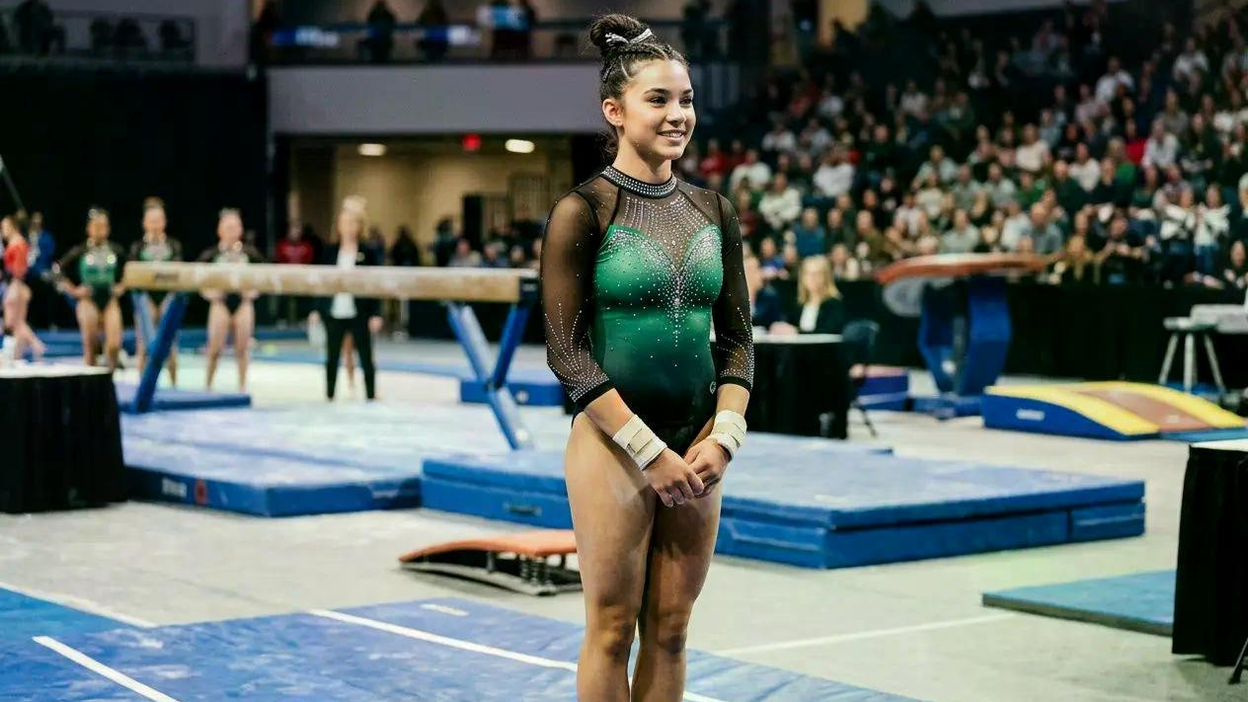
The Evolution of the Modern Leotard
The journey of the leotard from a simple functional garment to a high tech piece of athletic engineering is a fascinating study in sports science and fashion. Originally popularized by the trapeze artist Jules Leotard in the nineteenth century, these garments were designed to provide unrestricted movement while showcasing the muscularity of the performer.
In the modern era, the requirements have become significantly more complex. Today, an athlete requires a garment that acts as a second skin, providing compression, moisture management, and a psychological edge during high stakes performances.
For the modern gymnast or dancer, the leotard is more than just clothing. It is an essential piece of equipment. The shift from basic cotton blends to sophisticated synthetic fibers has allowed for designs that were previously impossible.
We now see intricate laser cut patterns, heat bonded seams, and sublimation printing that allows for vibrant, photographic quality designs without adding weight or restricting stretch. This evolution has paved the way for brands like Elite Gymnastics to push the boundaries of what is possible in terms of both durability and aesthetic appeal.
Understanding Fabric Science and Performance Stretch
When selecting a leotard, the fabric composition is the most critical factor for comfort and longevity. Most high performance garments utilize a blend of nylon and spandex, often referred to as Lycra or elastane. The ratio of these fibers determines the level of compression and the recovery rate of the fabric. A high quality leotard should possess four way stretch, meaning it expands and recovers both horizontally and vertically.
1. Nylon Spandex Blends: These are the workhorses of the industry, offering excellent durability and a soft hand feel. They are ideal for daily training sessions where repetitive movement and perspiration are constant.
2. Mystique and Holotek Fabrics: These materials feature a foil coating that gives the leotard a metallic or shimmering appearance. While visually stunning, they often have slightly less stretch than matte fabrics and require more careful handling to prevent the foil from cracking or peeling.
3. Velvet and Velour: Though less common in modern international competition, these fabrics provide exceptional warmth and a classic look. They are often used in developmental programs or for winter training sessions.
4. Mesh and Powernet: Used strategically for breathability and aesthetic detail, these fabrics must be reinforced properly to ensure they do not tear under the high tension of acrobatic movements.
Navigating the Nuances of Cut and Silhouette
The cut of a leotard significantly impacts both the athlete’s range of motion and the visual lines presented to the judges. A poorly fitted leg line can cause distractions, while an incorrectly sized shoulder strap can restrict arm rotation during release moves on bars. When evaluating the cut, athletes should consider three primary areas: the neckline, the leg opening, and the back design.
Necklines vary from the traditional scoop neck to high neck halter styles and elegant V necks. A higher neckline often provides more security during tumbling, ensuring the garment stays in place. The leg cut is equally important. A higher cut leg line can create the illusion of longer legs, which is often desirable in artistic gymnastics, but it must be balanced with adequate coverage to remain within competition regulations.
The back design is where many athletes express their personal style. Racerback designs offer the most security for the shoulder blades, while open back or keyhole designs provide maximum breathability. When browsing options at Elite Gymnastics, athletes should look for reinforced stitching in these high stress areas to ensure the garment maintains its shape over hundreds of practice hours.
Coverage Standards and Modesty in Modern Competition
In recent years, the conversation around coverage and modesty in gymnastics has shifted. International federations have updated their rules to allow for more diverse options, including full length unitards and hijabs, ensuring that athletes from all cultural backgrounds feel comfortable and respected. When buying a leotard for competition, it is essential to consult the specific code of points for your organization.
1. The Hip Bone Rule: Most competitive organizations require the leotard to cover the hip bone entirely. A leotard that rides up too high can result in score deductions.
2. Undergarment Visibility: The cut of the leotard must be compatible with any necessary undergarments. Visible bra straps or underwear lines are generally penalized in a competitive setting.
3. Transparency and Linings: High quality leotards will always feature a gusset lining and, in many cases, a full front lining. This ensures that even when the fabric is stretched to its limit, it remains opaque.
The Psychology of Competition Elegance
The aesthetic of a leotard plays a surprisingly large role in an athlete’s mental preparation. When an athlete feels they look professional and elegant, it can translate into increased confidence on the floor. This concept, often called enclothed cognition, suggests that the clothing we wear influences our psychological processes and performance.
Competition elegance is achieved through a harmony of color, sparkle, and fit. Darker colors like navy, plum, and forest green often convey a sense of maturity and power, while brighter neons and pastels might project energy and youthfulness.
The placement of crystals is also strategic. Lines of crystals that draw the eye upward can enhance the impression of height and posture. Achieving this level of The Athlete’s Guide to Buying Women’s Leotards: Cut, Coverage, and Competition Elegance requires a balance between personal flair and the technical requirements of the sport, a balance that is often perfected by specialized retailers like Elite Gymnastics.
Sizing Precision and the Importance of Girth Measurements
One of the most common mistakes athletes make when purchasing a leotard is relying solely on their standard clothing size. Athletic wear sizing is unique and varies significantly between manufacturers. The most important measurement for a leotard is the girth. To measure girth, one must run a soft measuring tape from the center of the shoulder, down through the crotch, and back up to the same shoulder.
1. Height and Weight: While useful, these are secondary to torso length. Two athletes of the same height may require different sizes if one has a longer torso and shorter legs.
2. The Tug Test: When trying on a new leotard, the athlete should perform a series of movements, including a bridge and a full arm circle. If the fabric pulls uncomfortably at the neck or the leg openings, the size is likely too small.
3. Growth Room: For younger athletes, it is tempting to buy a size up. However, excess fabric can bunch and cause chafing or even safety hazards if it catches on equipment. A snug fit is always preferable for safety and aesthetics.
Maintenance and Longevity for High Performance Gear
A high quality competition leotard is an investment, often costing hundreds of dollars due to the intricate hand applied crystals and specialized fabrics. Proper care is essential to maintain the elasticity and brilliance of the garment. Heat is the primary enemy of spandex fibers, as it breaks down the elastic bonds over time.
Athletes should always hand wash their leotards in cold water using a mild, pH neutral detergent. The garment should never be wrung out; instead, it should be laid flat on a towel and rolled to remove excess moisture. Hanging a wet leotard can cause the fabric to stretch out of shape due to the weight of the water.
Furthermore, the chemicals in deodorants, perfumes, and hairsprays can dull the shine of foil fabrics and loosen the adhesive on crystals, so these should be applied before putting the garment on. Using products from a reputable source like Elite Gymnastics ensures that you are starting with high quality materials that are designed to withstand the rigors of the sport if cared for correctly.
Emerging Trends in Aesthetic Detail and Embellishment
The world of leotard design is currently seeing a move toward sophisticated, haute couture inspired elements. Ombre gradients, where one color fades seamlessly into another, remain highly popular for their ability to create visual flow. Additionally, the use of large, multi shaped crystals instead of just standard round rhinestones is becoming a staple in elite competition.
Another emerging trend is the use of sublimated tech mesh. This allows for intricate patterns to be printed directly onto breathable mesh sections, giving the illusion of detailed embroidery without the weight or stiffness of traditional threadwork.
These innovations allow athletes to stand out in a crowded field, ensuring that their visual presentation is as memorable as their technical execution. When searching for these cutting edge designs, looking for an established provider like Elite Gymnastics can give athletes access to the latest fabric technologies and fashion trends.
Mastering the Art of the Perfect Selection
Choosing the right leotard is a blend of practical assessment and personal expression. An athlete must first ensure that the technical specifications meet the demands of their specific discipline, whether that is the high impact world of artistic gymnastics or the fluid movements of rhythmic gymnastics. Once the functional requirements of cut and coverage are met, the focus can shift to the artistic elements that define competition elegance.
Every athlete should have a rotation of reliable training leotards that prioritize comfort and durability, alongside a smaller collection of competition garments that are treated with the utmost care.
By understanding the science of the fabrics, the importance of precise measurements, and the rules governing silhouettes, an athlete can step onto the floor or stage with the confidence that their attire is working with them, not against them. The perfect leotard serves as a silent partner in every routine, reflecting the hard work, discipline, and grace that the athlete has spent years developing.

I am Ethan Miles, a digital creator and caption enthusiast who loves turning simple moments into powerful words. I specialize in crafting creative, trendy, and engaging captions that help your posts stand out. At Captionestry, I focus on delivering fresh ideas, relatable expressions, and scroll-stopping content for every mood and moment. I’m passionate about social media culture, photography, and the art of storytelling through short, impactful lines.