Finding a new home is an exciting milestone, but it is easy to overlook critical details when you are caught up in the excitement of a new lease. Knowing exactly what to inspect before renting an apartment saves you from hidden repair costs, frustrating maintenance delays, and unexpected safety hazards later on.
By taking a methodical approach during your walkthrough, you ensure that the property you are signing for truly matches the promises made by the landlord. This guide provides the specific technical and practical steps needed to evaluate a rental property with confidence and clarity before you commit your hard-earned money.
Evaluating Structural Integrity and Surfaces
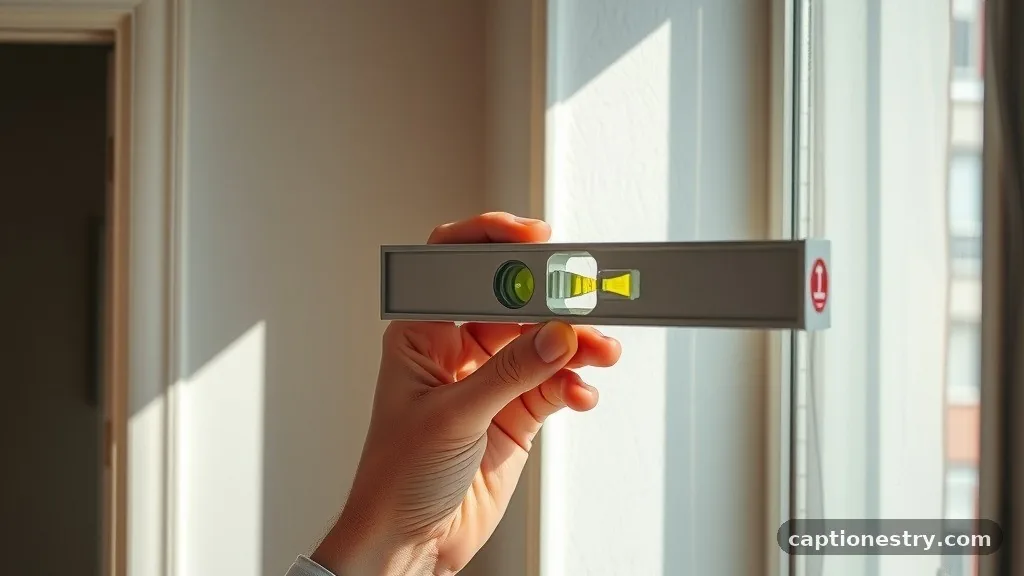
When you first walk into a potential home, your eyes should be drawn to the condition of the walls, ceilings, and floors. Look closely for signs of water damage, such as bubbling paint, yellow stains, or persistent dampness in the corners of rooms.
These marks often indicate roof leaks or plumbing issues that the property owner may have attempted to hide with a quick coat of paint. If you see cracks that run diagonally across a wall or near window frames, this could suggest shifting foundations, which is a structural concern that requires professional oversight.
Check the condition of the flooring by walking across every room to identify soft spots or uneven areas. If the carpet is loose or the hardwood is heavily scratched and splintering, note these imperfections immediately.
It is essential to understand that these physical conditions will be part of your formal inspection report if you decide to move forward. You want to ensure that any existing damage is documented before you take possession so that you are not held liable for these repairs when your lease eventually ends.
Testing Electrical Systems and Lighting
Reliable electricity is a fundamental requirement, yet many renters forget to test the outlets and switches until after they have moved in. Bring a simple device like a phone charger or a small nightlight to verify that every outlet in the apartment is functional.
You should also take a moment to flip every light switch in each room to confirm the overhead fixtures are actually working. If a light does not turn on, clarify whether the bulb is simply dead or if there is a more complex issue with the wiring behind the wall.
Pay attention to the electrical panel if it is accessible within the unit. If you see exposed wires, missing covers, or switches that look scorched, these are major red flags indicating outdated or dangerous systems.
According to guidelines provided by the National Fire Protection Association, electrical safety is a primary factor in preventing residential fires. Do not hesitate to ask the property manager when the wiring was last updated or inspected by a certified electrician.
Assessing Plumbing and Water Pressure
Water issues are the most common source of friction between landlords and tenants. Before renting an apartment, turn on every faucet in the kitchen and the bathroom to check the water pressure and the speed of the drainage.
If the water drains sluggishly, there might be a partial blockage in the pipes that could cause a full backup shortly after you move in. You should also run the shower for a minute to ensure the hot water temperature reaches a comfortable level quickly.
Look under the kitchen and bathroom sinks to inspect the pipes for any signs of moisture or active leaks. If you see standing water, mold, or warped wood inside the cabinets, it suggests a long-term plumbing problem that has not been addressed.
Flush the toilets to ensure they empty properly and refill without making excessive noise or continuing to run indefinitely. A properly functioning plumbing system is essential for your daily comfort, so do not accept vague assurances that a minor drip will be fixed later.
Verifying Climate Control and Insulation
The efficiency of your heating and air conditioning units will have a direct impact on your monthly utility bills. During your walkthrough, ask to see the thermostat and test both the heat and the air conditioning to ensure they cycle on and off correctly.
Feel for drafts around windows and doors, as poor insulation can lead to extreme temperature fluctuations that make an apartment difficult to keep comfortable. If the windows do not seal tightly, you may find yourself paying significantly higher costs for electricity during the peak summer and winter months.
Inspect the vents and air returns for excessive dust or debris buildup, which can affect the quality of the air you breathe. If the apartment has central air, ask when the filters were last changed and if there is a regular maintenance schedule in place.
If the unit relies on window-based air conditioners, check that they are securely mounted and in good working order. Proper climate control is not just about comfort, it is a key factor in protecting your health and the longevity of your belongings.
Analyzing Security and Exterior Access
Your sense of security starts with the physical hardware of the building. Test every lock on the front and back doors to ensure they engage smoothly without sticking or requiring excessive force.
If the unit is on the ground floor, verify that all window locks are functional and that the screens are intact. A secure home should provide you with peace of mind, so check for deadbolts and consider asking if the locks will be re-keyed before you receive your set of keys.
Consider the common areas and the building entrance as well. If the apartment building requires a key fob or a code for entry, test that system to ensure it works reliably.
Look for exterior lighting in the hallways and the parking area, as adequate illumination is a critical deterrent for unauthorized access. When you are doing your diligence before renting, treat the safety features of the property with the same level of scrutiny that you apply to the interior condition of the apartment.
Common Questions About Apartment Inspections
What are the most common red flags to look for?
Persistent odors, such as mold or stale cigarette smoke, are significant warning signs that can be difficult to remove. Other red flags include signs of pest activity like droppings in cupboards, water stains on ceilings, and landlords who refuse to let you view the specific unit you will be renting.
Should I take photos during my walkthrough?
Taking detailed photos or videos of every room is one of the most important steps you can take. Documenting the condition of the floors, walls, and appliances before you move in creates a timestamped record that protects your security deposit if a dispute arises when you eventually move out.
What if I find damage during the inspection?
If you notice damage, write it down on an inspection report and ask the landlord to sign it or acknowledge it via email. This creates a paper trail proving the issue existed before your tenancy began, which prevents you from being unfairly charged for pre-existing wear and tear.
Is the 30% rule for rent still relevant?
The 30% rule suggests that you should spend no more than 30% of your gross monthly income on rent. While it is a helpful guideline for financial health, your actual budget depends on your local cost of living, your debt obligations, and your long-term savings goals.
What happens if the landlord refuses an inspection?
A landlord who refuses to allow a thorough inspection is a major red flag that should make you reconsider the lease. Transparent property managers understand that tenants want to verify the condition of their future home and will typically welcome the opportunity to show you the unit.
Final Thoughts on Rental Diligence
Taking the time to inspect before renting an apartment is an investment in your future peace of mind. By examining the structural integrity, electrical systems, plumbing, and security features, you protect yourself from avoidable headaches and financial loss. Always trust your instincts; if something feels wrong or seems to be in poor condition, do not be afraid to ask for repairs before you sign any formal agreement.
Your diligence ensures that you move into a space that is safe, functional, and truly worth the monthly rent you are paying. Once you have confirmed these details, you can move into your new home with the confidence that you have made an informed and sound decision.

I am Ethan Miles, a digital creator and caption enthusiast who loves turning simple moments into powerful words. I specialize in crafting creative, trendy, and engaging captions that help your posts stand out. At Captionestry, I focus on delivering fresh ideas, relatable expressions, and scroll-stopping content for every mood and moment. I’m passionate about social media culture, photography, and the art of storytelling through short, impactful lines.